Circular Economy Solutions for Climate Change

Categories: Business

About Course

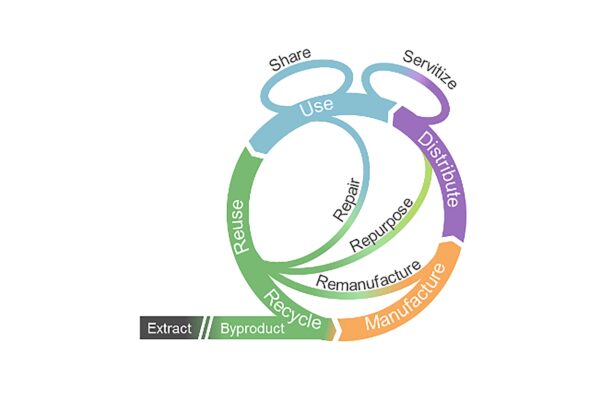
As climate change accelerates, the need for innovative and sustainable solutions becomes more urgent than ever. This course introduces students to the transformative power of the circular economy—a model that reimagines how we design, use, and reuse products and resources. Unlike the traditional “take-make-dispose” model of the linear economy, the circular economy promotes a regenerative approach that minimizes waste, maximizes efficiency, and reduces greenhouse gas emissions.

Through real-world case studies, sector-specific solutions, and global success stories, this course highlights how circular economy strategies can revolutionize industries such as textiles, electronics, and food. You will explore the environmental and economic benefits of waste reduction, renewable energy, energy efficiency, and resource optimization. Whether you’re a student, policymaker, business leader, or eco-conscious citizen, you’ll come away equipped with practical knowledge and tools to become part of the climate solution.


Show More

What Will You Learn?

  • Understand the key principles of the circular economy
  • Identify the limitations of the current linear economy model
  • Analyze how circular practices can reduce carbon emissions
  • Explore successful circular economy initiatives across different sectors
  • Learn about the regulatory and infrastructural challenges of circularity
  • Discover collaboration and investment opportunities in the circular economy
  • Gain actionable insights to contribute to climate change mitigation

Course Content

Introduction
This section introduces the concept of the circular economy and highlights its relevance in the fight against climate change. It outlines how shifting from a traditional linear economic model to a circular one can address urgent environmental issues by rethinking how resources are consumed and waste is managed.

  • Definition of circular economy and its relevance to climate change
    00:00
  • Overview of the challenges posed by climate change
    00:00

The Current Linear Economy
Here, learners explore the traditional linear economy model—where resources are extracted, used, and discarded—and examine its harmful environmental consequences. Real-world examples demonstrate how this unsustainable model contributes to pollution, waste accumulation, and greenhouse gas emissions.

The Concept of the Circular Economy
This section explains how the circular economy offers a more sustainable alternative, focusing on reuse, recycling, and regeneration. It presents global case studies of successful initiatives that reduce resource consumption and waste while maintaining economic value.

The Role of the Circular Economy in Combating Climate Change
Learners will understand how circular economy practices such as waste reduction, energy efficiency, and renewable resource use can help mitigate climate change. This section highlights how these strategies cut emissions and reduce pressure on ecosystems.

Circular Economy Solutions for Specific Industries
This part dives into industry-specific solutions, showcasing how sectors like textiles, electronics, and food can adopt circular principles. Through case studies, learners see how innovation is driving sustainable transformation across diverse economic areas.

The Challenges of Implementing Circular Economy Solutions
Implementation is not without obstacles. This section discusses regulatory, infrastructural, and cultural barriers to circular economy adoption. It also explores potential solutions, such as supportive policies and public-private partnerships, to overcome these challenges.

Opportunities for Collaboration and Investment in the Circular Economy
Learners explore how governments, businesses, and individuals can collaborate to promote circularity. This section also identifies investment opportunities in circular ventures, emphasizing economic as well as environmental benefits.

Conclusion
The final section summarizes key learnings and emphasizes the importance of embracing circular economy practices to combat climate change. It includes a call to action for individuals, businesses, and governments to drive systemic change for a sustainable future.

wpChatIcon
    wpChatIcon