Nature-Inspired Solutions: Biomimetic Engineering for Sustainable Innovation
About Course

Have you ever wondered how nature solves problems more efficiently than any human invention? Biomimetic engineering—drawing inspiration from nature’s designs, processes, and systems—is leading a quiet revolution in sustainable innovation. From self-cleaning materials inspired by lotus leaves to energy-efficient buildings modeled after termite mounds, nature is becoming the ultimate mentor for engineers, designers, and innovators seeking smarter, greener solutions.

In this engaging and forward-thinking course, you’ll explore the science and art of biomimetic engineering, uncovering how it offers real-world applications in robotics, materials science, water treatment, and renewable energy. Through case studies and interactive learning, students will gain a fresh perspective on problem-solving and the potential of nature-based design in driving sustainable technology for the future. Whether you’re an aspiring engineer, a nature enthusiast, or a sustainability advocate, this course will change the way you look at the world—and engineering.

Show More

What Will You Learn?

  • Understand the principles of biomimicry and how they apply to engineering
  • Learn the biomimetic design process from concept to prototype
  • Explore natural systems as models for sustainable engineering solutions
  • Discover biomimetic applications in energy, water, materials, and robotics
  • Analyze real-world case studies demonstrating successful biomimetic innovations
  • Identify emerging trends, opportunities, and research areas in the field
  • Understand the challenges and limitations of implementing biomimetic technologies
  • Be inspired to adopt nature-based design thinking in future projects

Course Content

Introduction
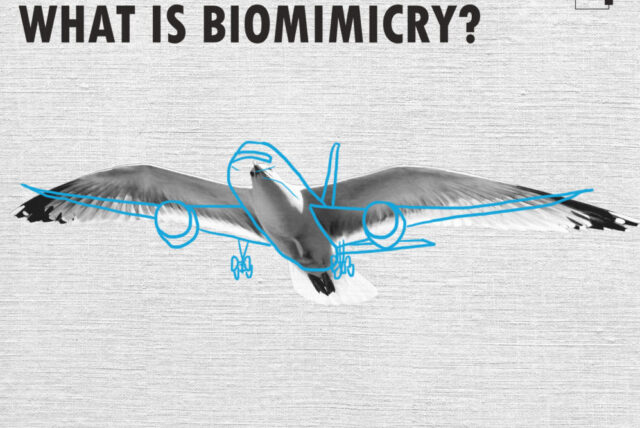
Biomimetic engineering is an emerging field that looks to nature for inspiration in solving human challenges, particularly in the realm of sustainability. This section introduces the core concept of biomimicry—imitating nature’s time-tested patterns and strategies—and emphasizes its growing importance in creating innovative, sustainable technologies. It also outlines the objectives and scope of the course, setting the stage for an exploration of how nature’s genius is shaping the future of design and engineering.

  • Definition of biomimetic engineering
    00:00
  • Importance of biomimetic engineering in achieving sustainable innovation
    00:00
  • Overview of the book
    00:00

Principles of Biomimetic Engineering
This section delves into the foundational principles of biomimicry, such as emulating natural form, function, and ecosystems. Students learn about the biomimetic design process, from observation and ideation to prototyping and application. It also covers the types of biomimetic materials and structures being developed, showing how these can offer superior performance, sustainability, and efficiency when compared to traditional engineering materials.

Biomimetic Engineering Applications
Here, learners explore the diverse real-world applications of biomimetic engineering. From robots that mimic animal movement to materials that self-heal like skin, this section reveals how biomimicry is revolutionizing robotics, automation, sensors, actuators, and even construction materials. It also touches on how biomimetic energy and water treatment systems are helping to solve some of the world's most pressing environmental challenges.

Case Studies
This section presents a series of in-depth case studies showcasing successful biomimetic solutions across various industries. Each case study highlights how natural systems have inspired groundbreaking innovations—such as Velcro (inspired by burrs) or bullet trains shaped like kingfisher beaks—and evaluates the sustainability and performance benefits they offer. These examples reinforce the potential of biomimicry to create elegant, efficient, and eco-friendly technologies.

Future Directions in Biomimetic Engineering
Looking ahead, this section explores the future of biomimetic innovation, examining current trends like smart materials, adaptive architecture, and synthetic biology. It also discusses ongoing challenges, such as technological limitations and scalability, while identifying opportunities for research and interdisciplinary collaboration. This section encourages learners to consider how they can contribute to advancing biomimetic engineering in their own fields.

Conclusion
In the final section, students review the key concepts and insights gained throughout the course. It emphasizes the transformative power of biomimicry in engineering sustainable solutions and calls learners to integrate these principles into their professional and academic pursuits. The conclusion also invites reflection on how nature can continue to serve as the ultimate guide in solving complex design and environmental challenges.

wpChatIcon
    wpChatIcon