Smart City Democracy: Citizen Participation in the Governance of the Digital City
About Course

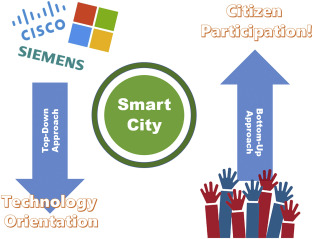
In the era of digital transformation, cities around the world are evolving into smart cities—urban ecosystems empowered by data, digital infrastructure, and real-time technologies. But as the digital city takes shape, an equally important transformation must occur: the integration of citizens as active participants in shaping how these cities are governed. This course explores the concept of Smart City Democracy, where technology meets civic engagement, and where the future of urban governance lies in collaborative decision-making.

Through thought-provoking case studies, interactive discussions, and deep dives into technologies like civic apps, open data platforms, and participatory budgeting tools, students will discover how citizen participation isn’t just a civic duty—it’s a critical component of successful smart city governance. Whether you’re a policymaker, technologist, urban planner, or engaged citizen, this course will equip you with the knowledge and tools to help build inclusive, transparent, and responsive cities of tomorrow.

Show More

What Will You Learn?

  • Understand the foundations and models of smart city governance
  • Analyze the role of technology and data in civic decision-making
  • Explore diverse citizen participation frameworks and their effectiveness
  • Discover real-world applications of digital tools enabling public engagement
  • Evaluate ethical and social implications of digital urban governance
  • Gain insight into global best practices through international case studies
  • Identify challenges and opportunities for innovation in participatory governance

Course Content

Introduction
This section introduces the concept of Smart City Democracy, emphasizing the critical role citizen participation plays in shaping digital urban environments. It sets the foundation for understanding how civic engagement, when supported by technology, becomes a pillar of democratic governance in increasingly data-driven cities.

  • Definition of smart city democracy
    00:00
  • The importance of citizen participation in the governance of the digital city
    00:00

Understanding Smart City Governance
In this section, students explore different models of smart city governance and the transformative role technology plays in managing urban systems. It also emphasizes the importance of data-driven decision-making to ensure transparency, efficiency, and responsiveness in policy implementation and service delivery.

The Role of Citizen Participation in Smart City Governance
This section delves into why and how citizens should be involved in shaping digital cities. It examines various participatory models—such as co-creation, public consultations, and e-governance—highlighting both their benefits (like trust-building and inclusivity) and challenges (like digital divide and disengagement).

Technologies and Tools for Citizen Participation
Students learn about the innovative digital tools and platforms that facilitate citizen engagement, such as mobile apps, online portals, and interactive mapping systems. Real-life examples showcase how cities worldwide are successfully deploying these tools to improve governance outcomes and strengthen public involvement.

Case Studies
This section presents global examples of smart cities that have implemented effective governance and participation strategies. Through these case studies, learners analyze what worked, what didn’t, and the lessons that can be applied to other contexts to create more inclusive and efficient governance models.

Challenges and Opportunities
Here, the course addresses the major hurdles cities face in implementing participatory governance, including issues related to infrastructure, access, and policy inertia. It also highlights emerging opportunities—like AI-driven insights and cross-sector collaborations—that can reshape how participation is achieved in the digital age.

Ethical Considerations
This section emphasizes the importance of ethics in the smart city landscape, discussing concerns such as surveillance, data privacy, algorithmic bias, and representation. It offers frameworks and solutions to ensure that technological advancements align with democratic values and human rights.

Future Directions
Looking ahead, this section explores how smart city governance and civic participation might evolve, influenced by trends like digital twins, Web3, and decentralized governance. It encourages students to think critically about policy innovation, technological disruption, and the role of citizens in future cities.

Conclusion
The course wraps up with a recap of key themes and insights, reaffirming the essential role of citizen engagement in shaping equitable, transparent, and sustainable digital cities. Final reflections encourage learners to become active contributors to their communities' digital transformation journeys.

wpChatIcon
    wpChatIcon